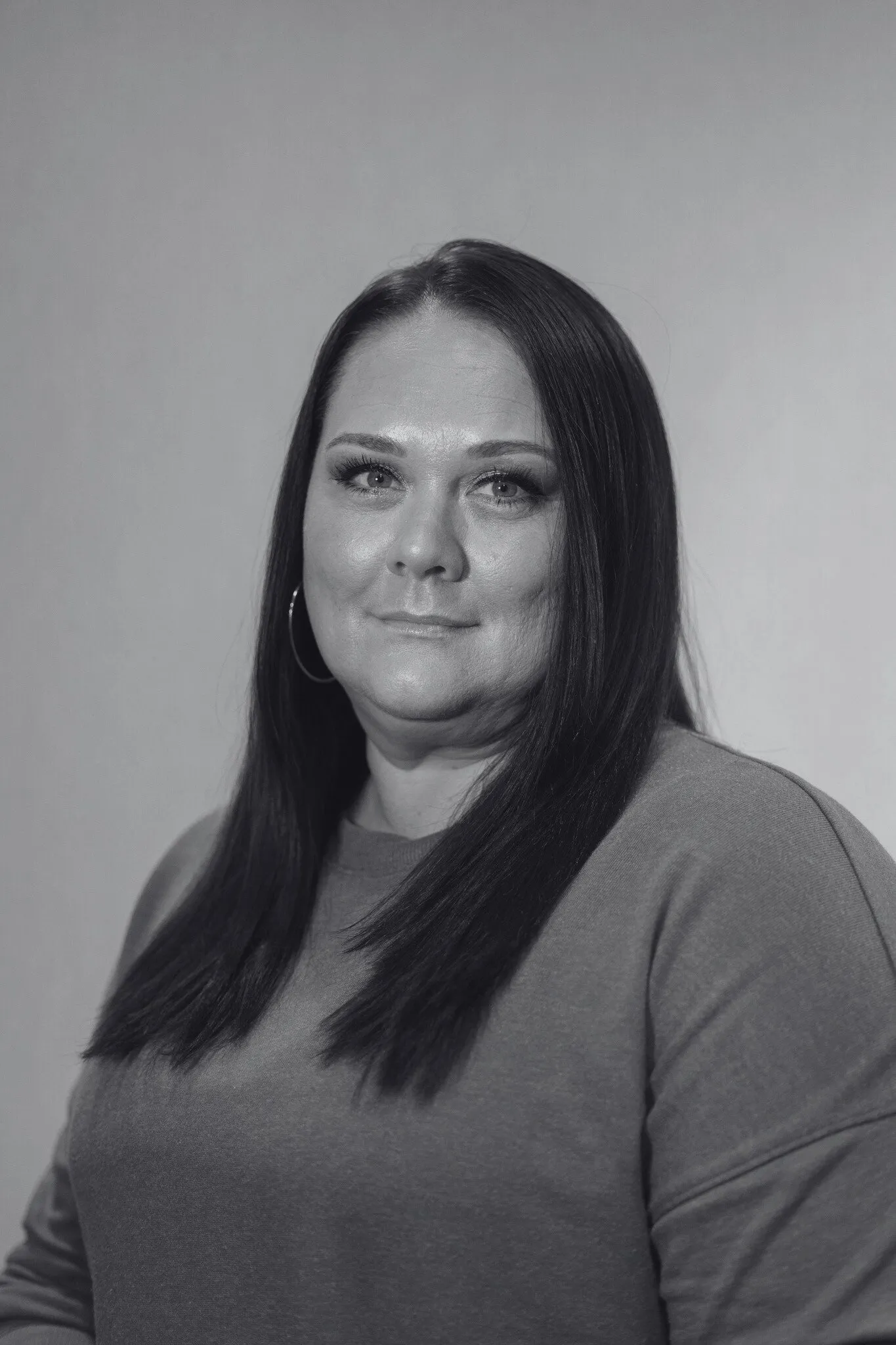
Lisa Glass
Survivor Support Specialist and Advocate, WorldWE STAND Fellow
Villages of HopeLisa Glass is a Survivor Support Specialist and Advocate at Villages of Hope in Jacksonville, Florida, where she works alongside adult women survivors of human trafficking to support healing, stability, and long-term independence. Drawing from both professional expertise and lived experience, Lisa provides survivor-centered advocacy rooted in dignity, empowerment, and trauma-informed care.
With almost a decade of experience in the anti-trafficking movement, Lisa is a nationally recognized subject matter expert on human trafficking, survivor criminalization, and systems-level barriers impacting survivors. Her work has spanned direct service, research, policy advocacy, and survivor leadership, including previous roles as a Research and Data Specialist, Survivor Mentor, and Regional Advocate. Throughout her career, she has supported survivors in accessing housing, behavioral health services, legal advocacy, employment, and long-term recovery resources.
Lisa is deeply engaged in legislative advocacy at the local, state, and federal levels. She has testified before lawmakers, participated in legislative roundtables, and contributed to policy efforts aimed at expanding survivor protections, vacatur and expungement relief, and pathways to economic and professional stability for survivors. Her advocacy is informed by her own experience navigating the lasting consequences of criminalization and her commitment to ensuring survivors are recognized and treated as victims, not offenders.
A respected speaker and trainer, Lisa regularly presents to policymakers, service providers, law enforcement, and community stakeholders on survivor-informed policy, trauma-responsive systems, and ethical engagement with lived experience experts. She is an active member of survivor-led and survivor-informed networks, including the International Survivor Alliance, the National Survivor Network, and Arize Together’s Member Advisory Council.
Lisa’s work is grounded in the belief that survivors are leaders, experts, and change-makers, and that meaningful systems change must be shaped by those most impacted.