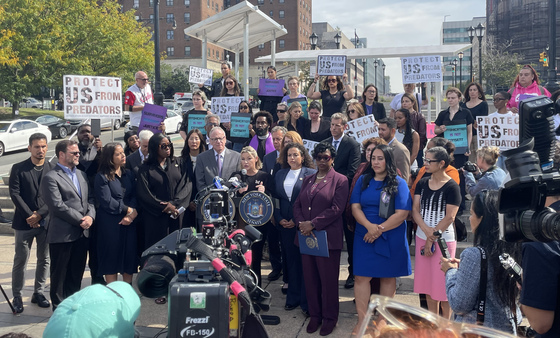
Close New York’s Voluntary Intoxication Loophole
Intoxication is not consent. Tell Governor Hochul to call a special session and close this dangerous gap in New York law.
Learn more about A.101Intoxication is not consent. Tell Governor Hochul to call a special session and close this dangerous gap in New York law.
Learn more about A.101
At World Without Exploitation, we are dedicated to creating a future where sex trafficking and commercial sexual exploitation are eradicated and survivors are supported with dignity and justice. In partnership with The Jensen Project, Rights4Girls, and the National Center on Sexual Exploitation, our legislative priorities focus on advancing policies that protect individuals from exploitation, target demand, and ensure comprehensive, survivor-centered care. These initiatives are key to building a world free from trafficking.
Tap to expand:

The names Cyntoia Brown and Chrystul Kizer spent many months in the news. These are just two of the girls who were charged as adults for killing the men who raped and trafficked them.
When child victims engage in violence against their abusers, courts should have as much flexibility as possible in creating a trauma-informed and age-appropriate response, including suspending any sentence or transferring a child victim into the juvenile or child welfare system for treatment and services.
World Without Exploitation and our partner organizations have introduced bills in states across the country that would allow judges sentencing discretion in these cases. Often known as “Sara’s Law,”, the legislation is named in honor of a child sex trafficking victim who killed her trafficker and rapist and was then sentenced to life without parole. Thankfully, Sara is no longer incarcerated and has become a champion and advocate for passing these laws around the country.
These laws have recently been passed into law in Georgia, and Virginia. Illinois, California and Oklahoma have also passed child sex crimes victims protection laws. There is currently pending Sara’s Law legislation in New York, Washington, and Massachusetts.
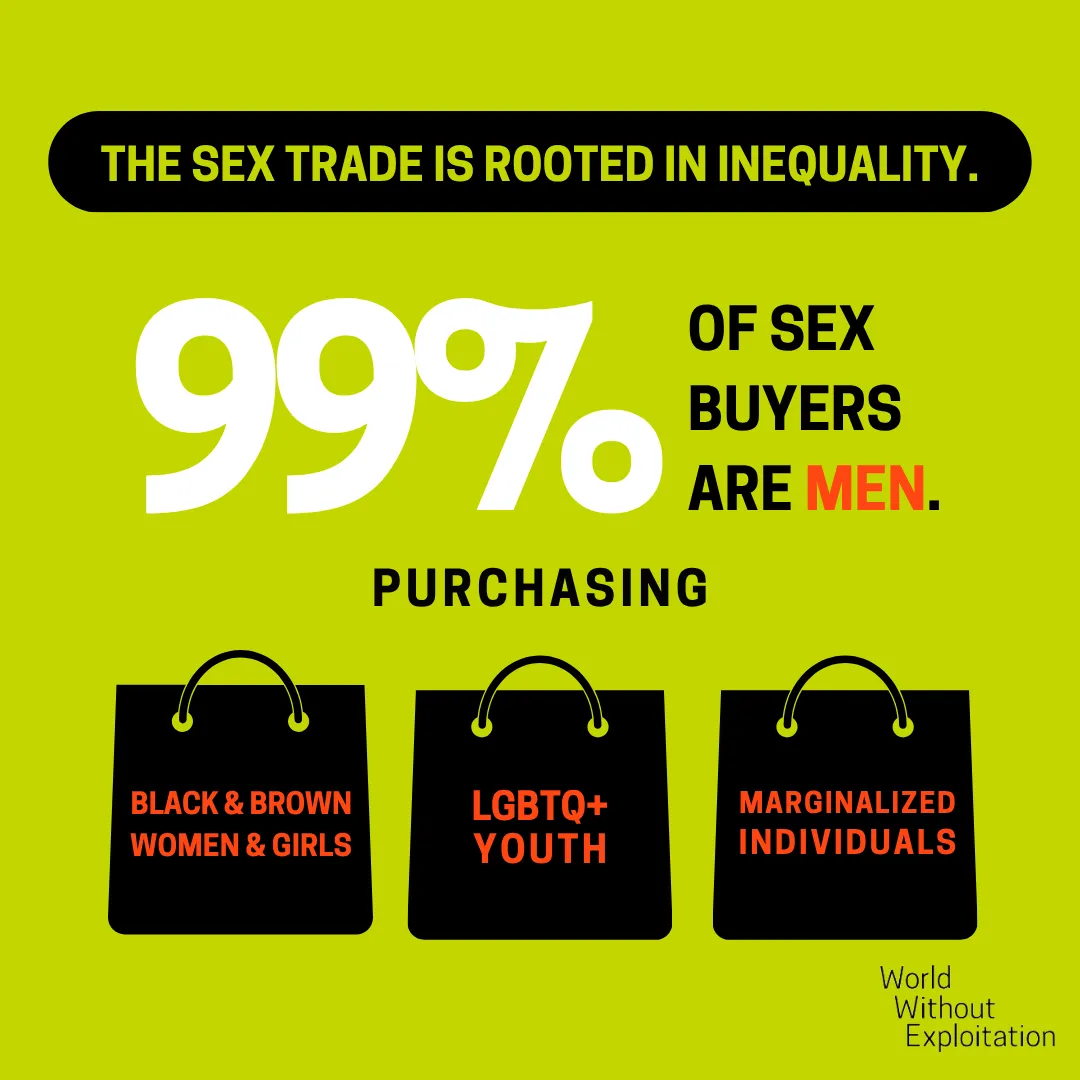
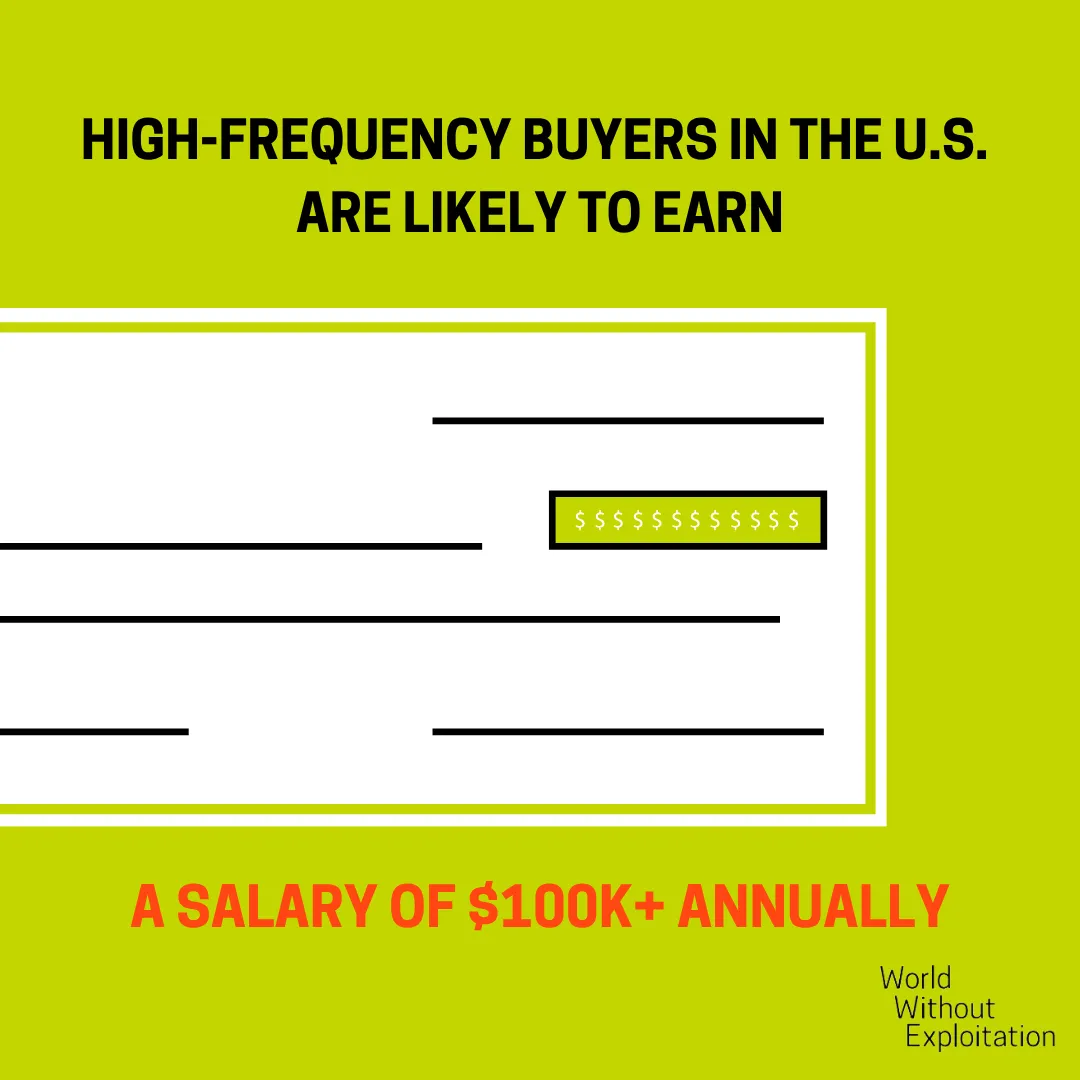
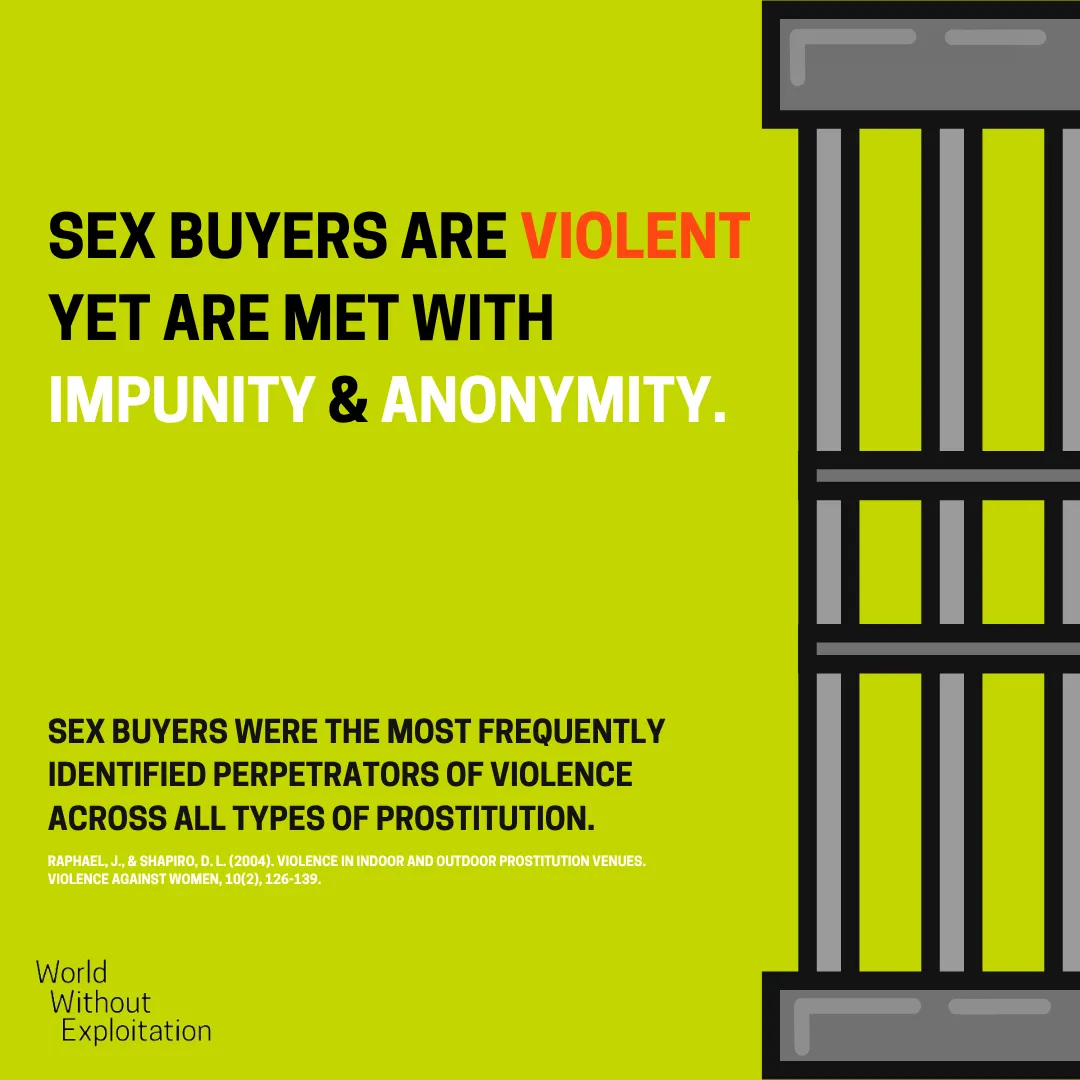
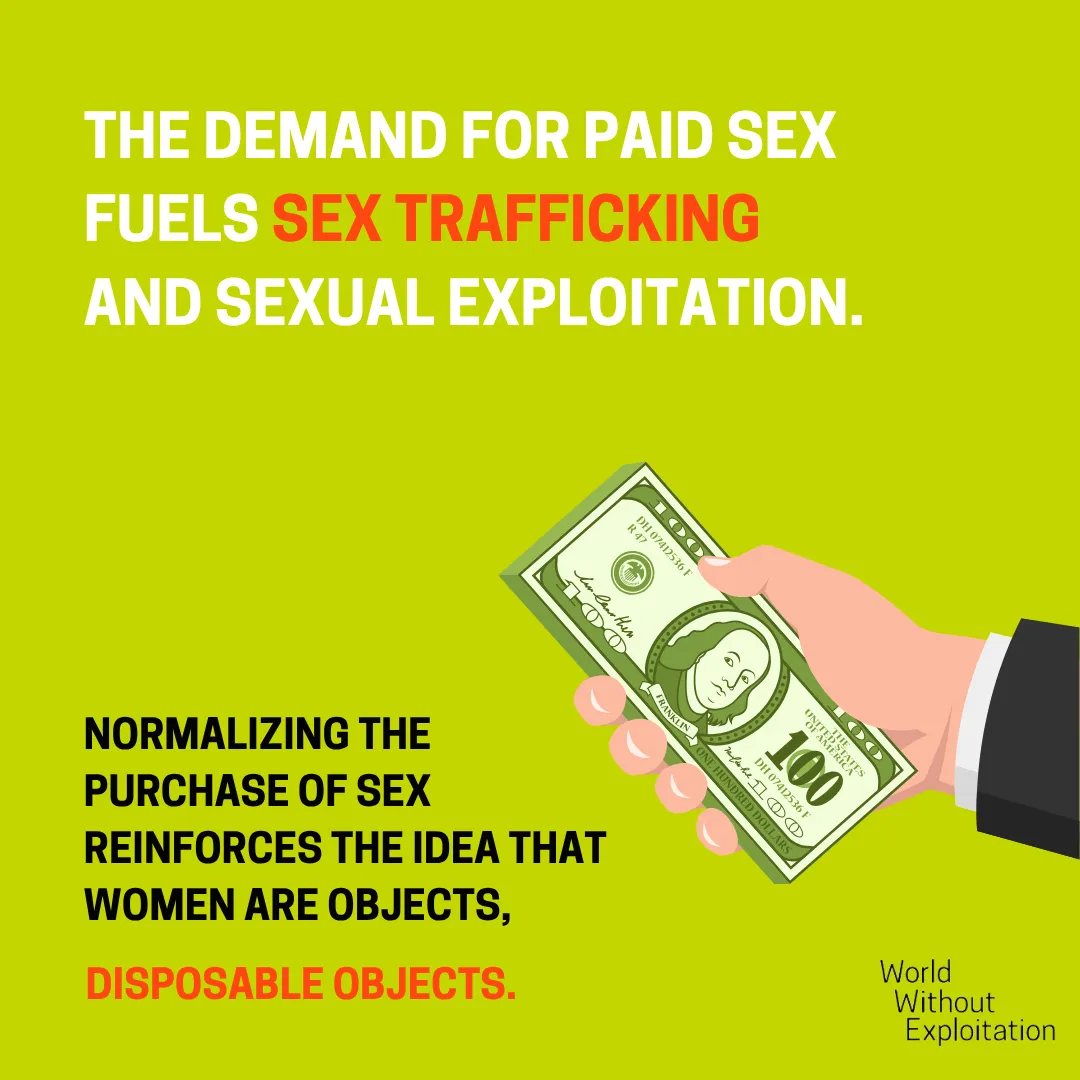
Demand accountability laws in the context of sex trafficking refer to legislative measures aimed at reducing or eliminating the demand for commercial sex, which is the driving force behind sex trafficking. These laws target the individuals who purchase sex (the "demand" side) rather than just focusing on prosecuting traffickers or victims, and they seek to address the root cause of the trafficking by reducing the market for it.
Legislative initiatives to address demand across the U.S. include:
Texas, Montana, Oklahoma, and North Carolina have recently passed laws making sex-buying a felony. Other states that introduced legislation that would raise the penalties for sex buying include Kansas, South Carolina, Florida and New Jersey.
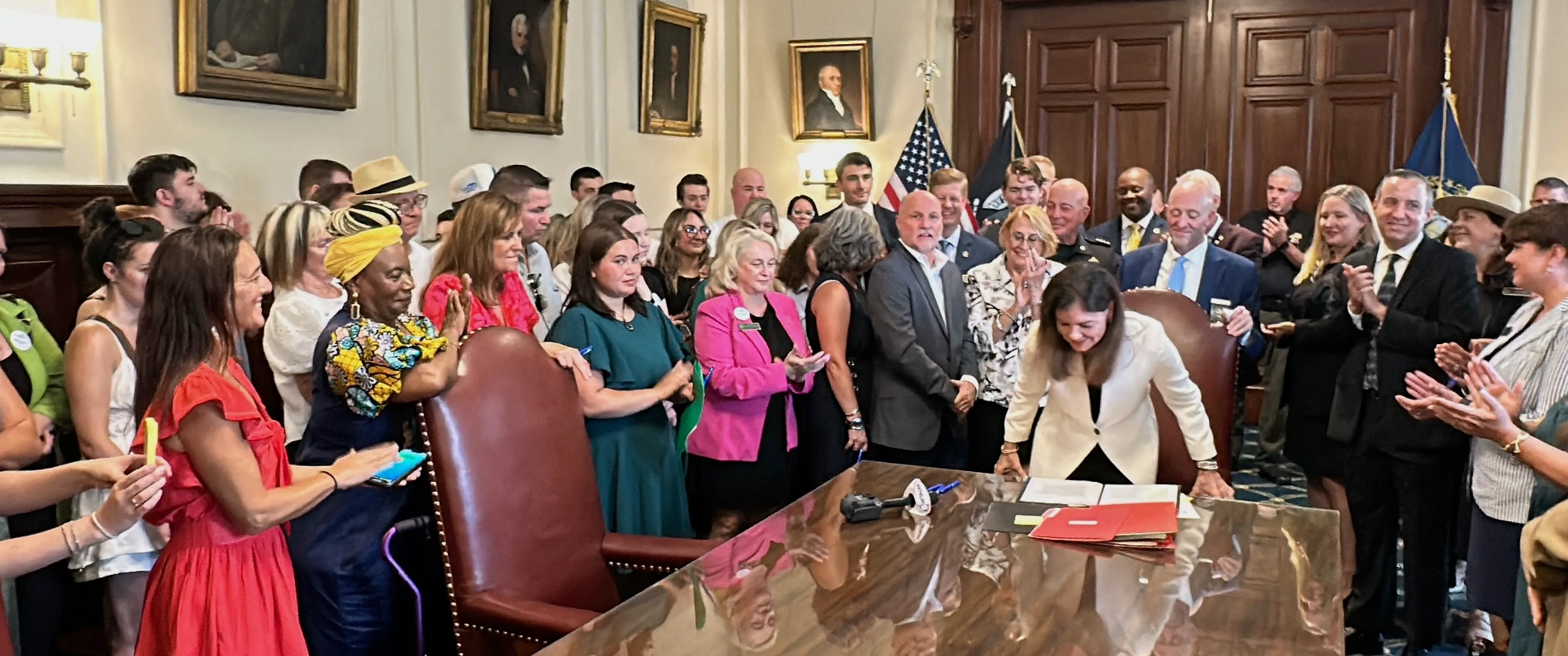
In summer of 2025, New Hampshire passed a bill that increases fines for convicted sex buyers and allocates those funds to victim services.
Rhode Island and New Jersey have bills pending that would increase the fines for convicted sex buyers and require buyer accountability education.
In New York, 15- to 17-year old minors are unprotected from commercial sexual exploitation. We are working to close these dangerous loopholes to ensure that every state treats all minors under 18 sold for sex as victims of sex trafficking. It is vital that we eliminate adultification bias and shift blame and accountability from exploited youth and onto the adults who abuse or traffic them.
This model has been adopted by a host of countries that have prioritized human rights and gender justice, including Canada, Ireland, Northern Ireland, Iceland, France, Israel, and Norway. Countries that have adopted the Survivor Model see success in holding sex buyers accountable, supporting more women in exiting the sex trade, and helping them rebuild their lives. For example, France enacted the Survivor Model in 2016, and within the first three years of the law taking effect, criminal investigations into pimping and trafficking increased by 54%.
We advocate for the Survivor Model (Equality Model), which seeks to decriminalize individuals who are exploited in the sex trade, while holding buyers, traffickers, and other bad actors accountable. This model centers the voices and needs of survivors, promoting safety, dignity, and opportunities for recovery.
Additionally, reported in 2023, 1,247 prostituted women have benefited from France's exit program for survivors, with a reintegration success rate of 95%. In 2023, WorldWE, in partnership with our national partners, policy champions, and survivor leaders on the ground successfully passed legislation in Maine that decriminalizes prostituted people and provides them avenues to seek criminal record relief, while maintaining penalties for pimps, sex buyers, and brothel owners. We continue to support efforts nationwide to pass comprehensive Survivor Model legislation.
Survivor Model legislation has been introduced in Illinois, New York and Massachusetts.
Tap to expand:




The names Cyntoia Brown and Chrystul Kizer spent many months in the news. These are just two of the girls who were charged as adults for killing the men who raped and trafficked them.
When child victims engage in violence against their abusers, courts should have as much flexibility as possible in creating a trauma-informed and age-appropriate response, including suspending any sentence or transferring a child victim into the juvenile or child welfare system for treatment and services.
World Without Exploitation and our partner organizations have introduced bills in states across the country that would allow judges sentencing discretion in these cases. Often known as “Sara’s Law,”, the legislation is named in honor of a child sex trafficking victim who killed her trafficker and rapist and was then sentenced to life without parole. Thankfully, Sara is no longer incarcerated and has become a champion and advocate for passing these laws around the country.
These laws have recently been passed into law in Georgia, and Virginia. Illinois, California and Oklahoma have also passed child sex crimes victims protection laws. There is currently pending Sara’s Law legislation in New York, Washington, and Massachusetts.
These laws allow survivors of trafficking to vacate criminal records related to offenses committed as a result of being trafficked. By clearing these records, we help remove barriers to employment, housing, and education, providing survivors with a genuine path to healing and independence. In recent years, several states have expanded criminal record relief laws to allow survivors to vacate felony and violent felony convictions resulting from their trafficking, recognizing that abusers often force victims to commit a wide array of crimes beyond prostitution.
Georgia, New York, and New Hampshire have passed strong vacatur laws in recent years and do not limit offenses eligible for relief.
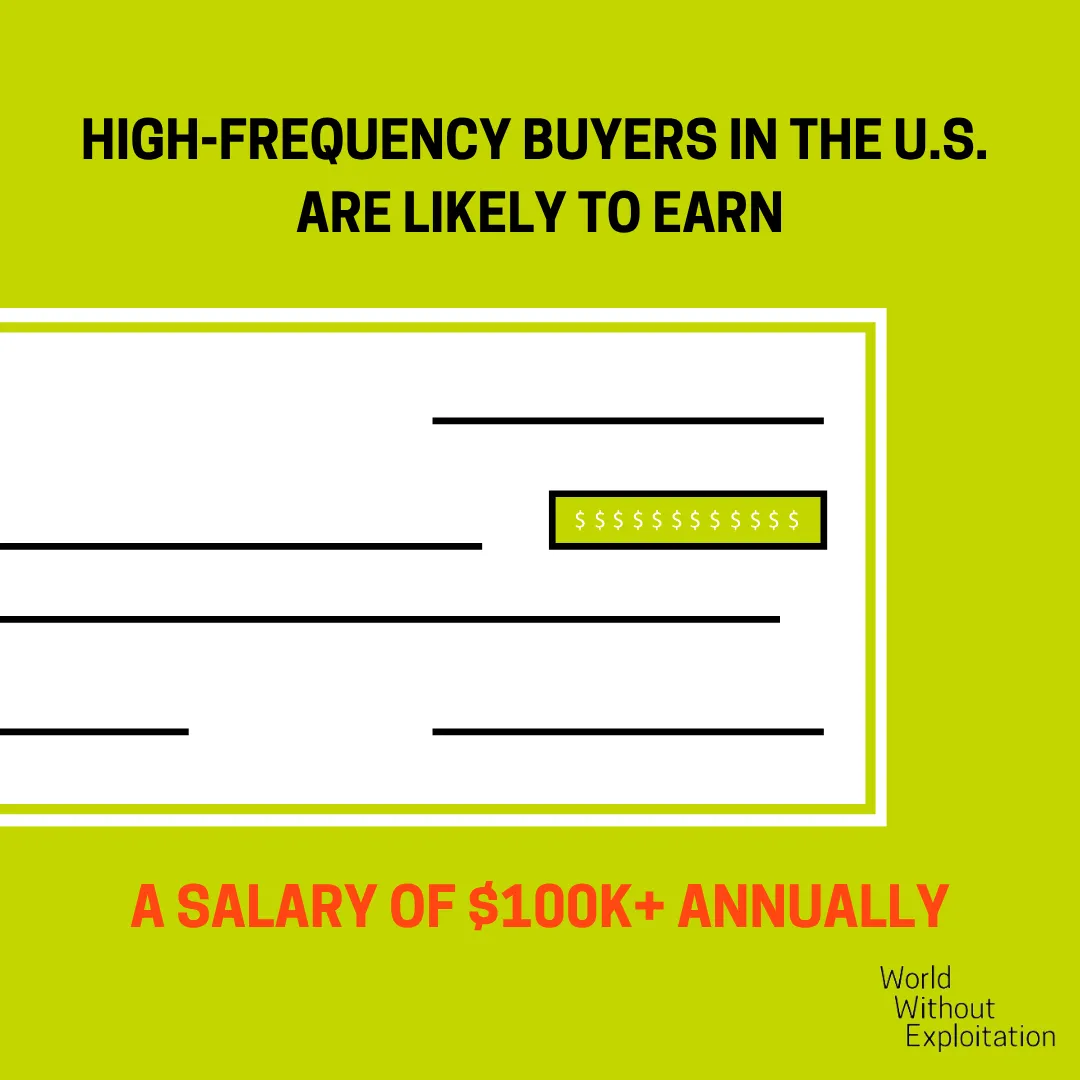
Demand accountability laws in the context of sex trafficking refer to legislative measures aimed at reducing or eliminating the demand for commercial sex, which is the driving force behind sex trafficking. These laws target the individuals who purchase sex (the "demand" side) rather than just focusing on prosecuting traffickers or victims, and they seek to address the root cause of the trafficking by reducing the market for it.
Legislative initiatives to address demand across the U.S. include:
Texas, Montana, Oklahoma, and North Carolina have recently passed laws making sex-buying a felony. Other states that introduced legislation that would raise the penalties for sex buying include Kansas, South Carolina, Florida and New Jersey.
In summer of 2025, New Hampshire passed a bill that increases fines for convicted sex buyers and allocates those funds to victim services.
Rhode Island and New Jersey have bills pending that would increase the fines for convicted sex buyers and require buyer accountability education.
In New York, 15- to 17-year old minors are unprotected from commercial sexual exploitation. We are working to close these dangerous loopholes to ensure that every state treats all minors under 18 sold for sex as victims of sex trafficking. It is vital that we eliminate adultification bias and shift blame and accountability from exploited youth and onto the adults who abuse or traffic them.
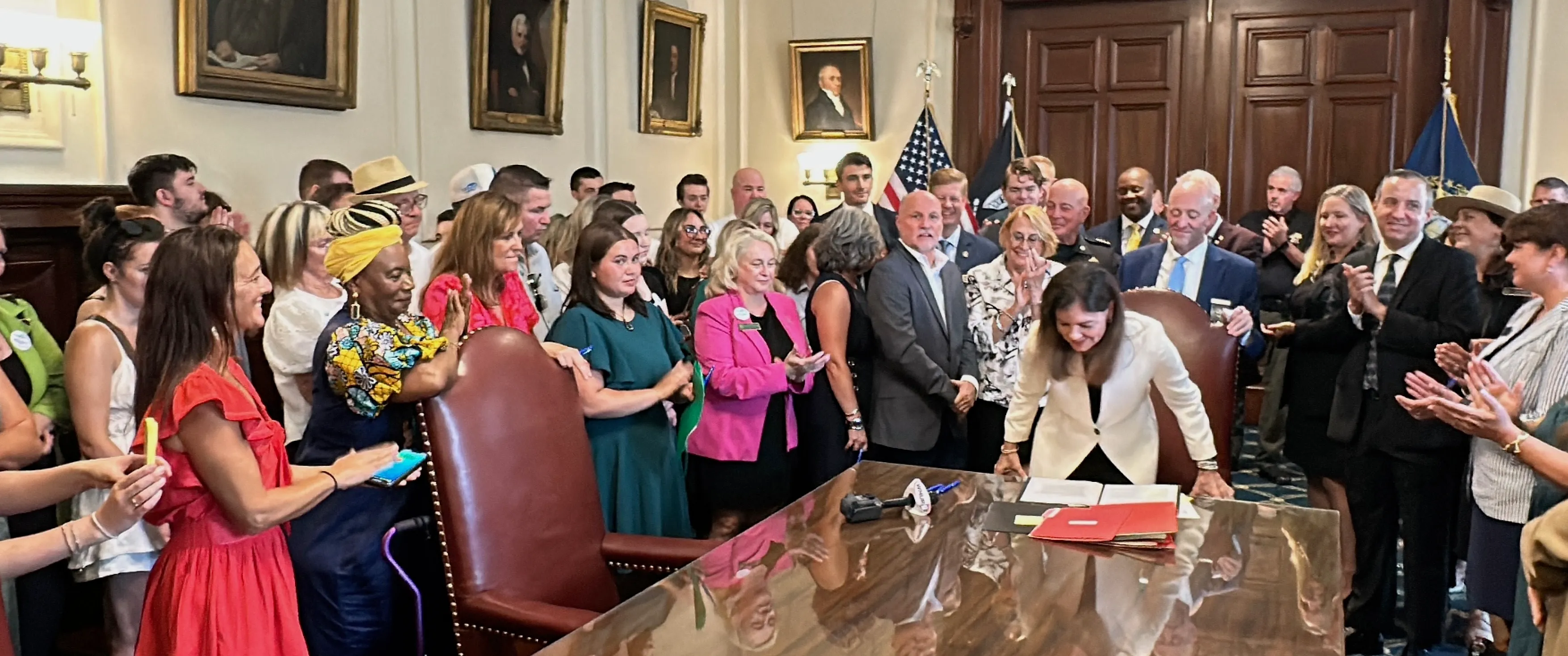

Victory! The Trusted Adults Act is now law in Massachusetts!
In July 2026, Massachusetts Governor Maura Healey signed the Trusted Adults Act into law, closing a dangerous loophole that left 16- and 17-year-olds vulnerable to sexual exploitation by adults in positions of trust and authority. The new law makes it a felony for teachers, coaches, mandated reporters, and other trusted adults to engage in sexual activity with young people under their care.
World Without Exploitation was proud to advocate for this critical legislation alongside courageous survivor leaders Hilary Simon and Melissa Fares, whose voices and leadership were instrumental in advancing stronger protections for young people across Massachusetts. This victory represents an important step toward ensuring that adults entrusted with the safety and well-being of young people are held accountable when they abuse that trust.
Victory! The Victims Protection and Child Sex Buyer Accountability Act is now law!
During the 2026 legislative session, World Without Exploitation led a statewide advocacy campaign to advance A.9214, the Victims Protection and Child Sex Buyer Accountability Act, working to close a troubling gap in New York law and strengthen protections for children from commercial sexual exploitation.
The legislation passed both the New York State Senate and Assembly in June 2026. It would make soliciting sex from 15-, 16-, and 17-year-old minors a felony, ensuring stronger accountability for individuals who seek to purchase sexual access to children.
World Without Exploitation worked alongside survivors, advocates, lawmakers, and coalition partners to build support for the legislation and help move it through both chambers. With the bill now awaiting Governor Kathy Hochul’s signature, WorldWE continues to advocate for its enactment into law and for a legal framework that protects exploited young people while holding those who fuel the demand for commercial sexual exploitation accountable.
1 (888) 373-7888
Text HELP or INFO to 233733
English, Spanish, and 200 more languages


© World Without Exploitation
2026 © World Without Exploitation Inc.
World Without Exploitation Inc is a registered 501(c)(3) nonprofit. EIN: 41-4194714
Survivor stories © The Voices and Faces Project Survivor photography: Lynn Savarese, Photographer and Co-Founder, New Abolitionists
Additional photography © Patricia Evans, The Voices and Faces Project • Natalie Naccache, Art Works for Change