WorldWE Legislative Priorities

Together, these legislative priorities aim to create a legislative framework that prioritizes prevention, survivor support, and accountability for those who perpetrate exploitation. We believe that by aligning laws with the lived experiences of survivors, we can create lasting change and move toward a world without exploitation.
Virginia’s Law is named in honor of the late Virginia Roberts Giuffre, who was a brave survivor and advocate for justice. This legislation eliminates the statute of limitations for federal civil claims by adult survivors of trafficking and exploitation, creates new federal civil remedies for victims of certain sexual abuse and sexual exploitation crimes, allows victims to sue not only perpetrators but also those who knowingly benefit from the abuse, and provides a one-year “look-back” window to revive certain previously time-barred claims.
Virginia's Law will:
“We need to make it easier to punish those who victimize others. I want to eliminate laws that limit the period in which survivors can seek justice for their abuser.” - Virginia Giuffre, Nobody’s Girl: A Memoir of Surviving Abuse and Fighting for Justice
The Epstein Files Transparency Act required the Department of Justice to release all unclassified files regarding Jeffrey Epstein, Ghislaine Maxwell, and other co-conspirators while protecting victims’ confidentiality—yet that was not the case.
The DOJ’s redactions and disclosures were reckless and dangerous. Survivors’ names and identifying details were exposed repeatedly. Government transparency must never come at the expense of survivor privacy.
The REDACT ACT would remedy DOJ’s wholesale failure to protect survivors by creating a private right of action allowing survivors to sue to protect their privacy and recover for the harms caused by the Department’s privacy violations. Specifically, the bill would empower survivors to seek a court order to force DOJ to remove their unredacted information and allow survivors whose personally identifiable information has been exposed since November 19, 2025, to recover the greater of either $50,000 in statutory damages or compensatory damages, including for emotional distress.
The Sex Trafficking Demand Reduction Act amends the Trafficking Victims Protection Act to strengthen the criteria used in the U.S. State Department's annual Trafficking in Persons Report. In evaluating whether countries are making serious and sustained efforts to combat trafficking, the State Department would specifically consider whether governments are taking meaningful action to reduce demand for commercial sex, including prohibiting its purchase and addressing sex tourism.
Sex trafficking is not an inevitable crime; if there are no buyers there is no business. Holding sex buyers accountable is one of the most effective actions governments can take to address sexual exploitation. Congress can set a powerful standard for global anti-trafficking efforts and help prevent the exploitation of women and girls and the most vulnerable worldwide.
The Stop CSAM Act is a bipartisan, comprehensive legislative response to the online sexual exploitation and abuse of children. Children are increasingly vulnerable to online exploitation, while child sexual abuse material (CSAM) is being created and disseminated at an unprecedented rate.
The STOP CSAM Act seeks to strengthen accountability for online child sexual exploitation and provide additional remedies for victims. The legislation is particularly important because it seeks to give victims stronger legal tools when technology platforms knowingly contribute to the distribution of child sexual abuse material and to strengthen reporting, transparency, and survivor assistance.
Big tech continues to prioritize profit over our children’s well-being. The Kids Online Safety Act (KOSA) is the most comprehensive legislation to protect children online pending before Congress, aiming to shift Big Tech’s profit-driven models to children’s protection. KOSA creates a ‘duty of care’ that requires social media companies to place children’s needs at the center of their design. This ensures minors are not exposed to harmful or exploitative material online by requiring that their accounts default to the safest privacy settings, disable private messaging from strangers, and shield them from addictive algorithms. It is time to give our children the protection they deserve; it is time to pass KOSA!
Click here to view The WorldWE Youth Coalition’s campaign on the harms of social media.
Why WorldWE does not support the House version of KOSA (H.R.7757)
We are incredibly disappointed in the new House version of the Kids Online Safety Act. Every day, children are being negatively impacted by social media—predators have unfettered access to sexually exploit children online, children are exposed to harmful content promoting suicide and eating disorders, and the normalization of the digital sex trade continues to rise.
Yet, Big Tech doesn’t care as long as it fuels their profits, and this version of KOSA allows exactly that. Not only does this version gut the duty of care, but it also adds a preemption clause that prevents states from passing any child safety legislation.
That being said, we do not support this version of KOSA in the House and will continue to advocate for passage of the Senate version. We must hold Big Tech accountable for putting profits over children’s safety.
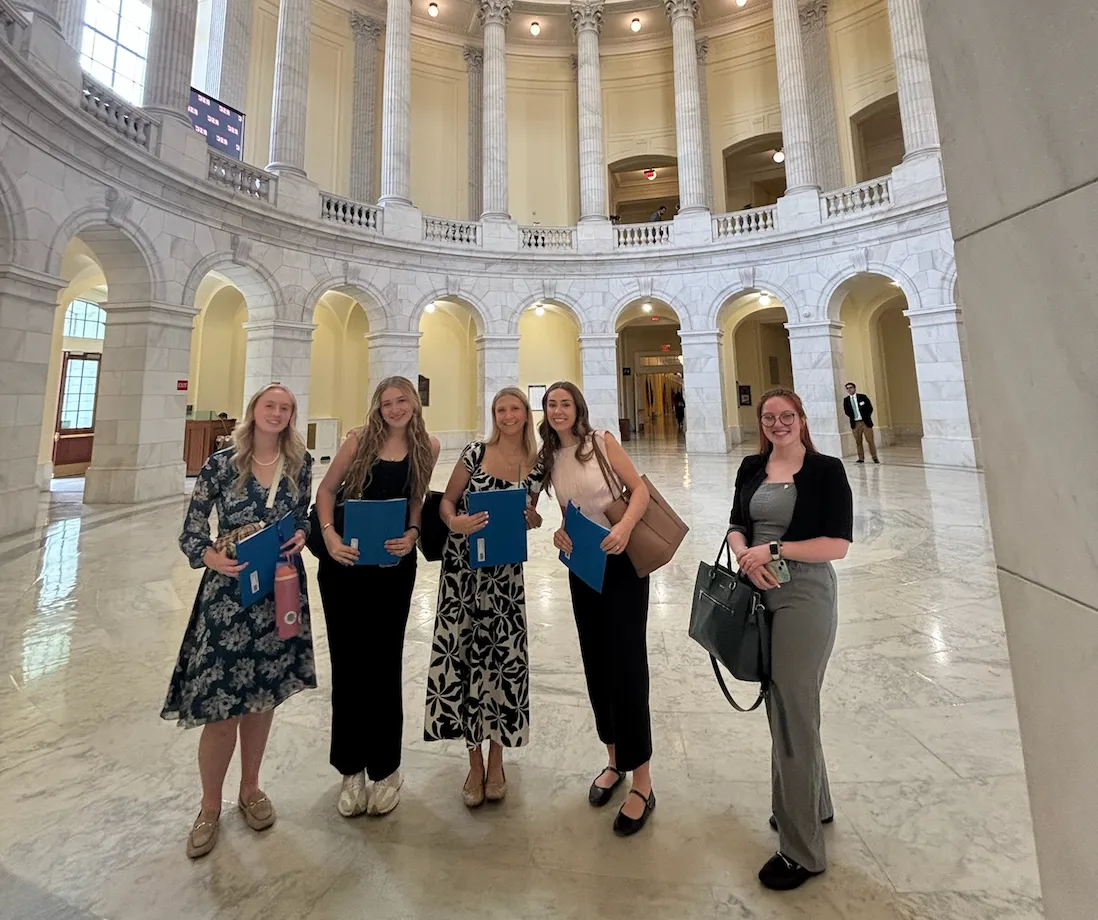
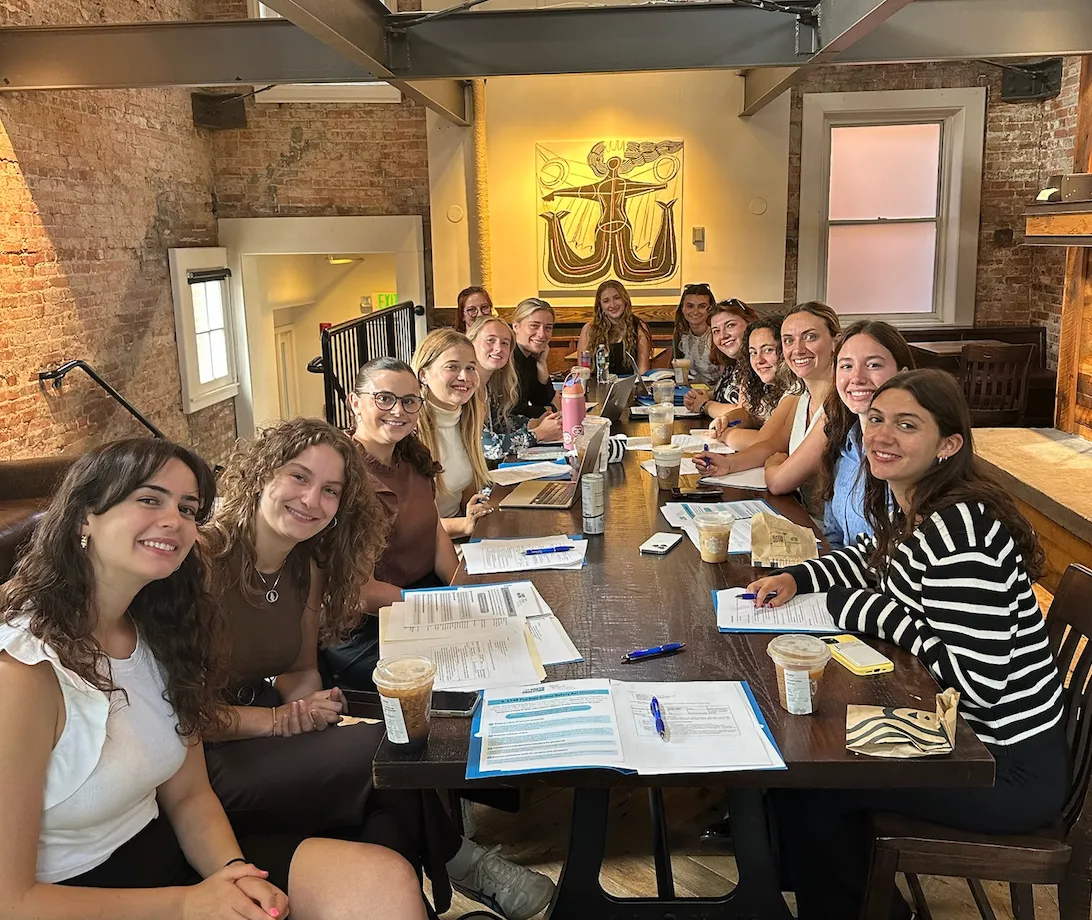
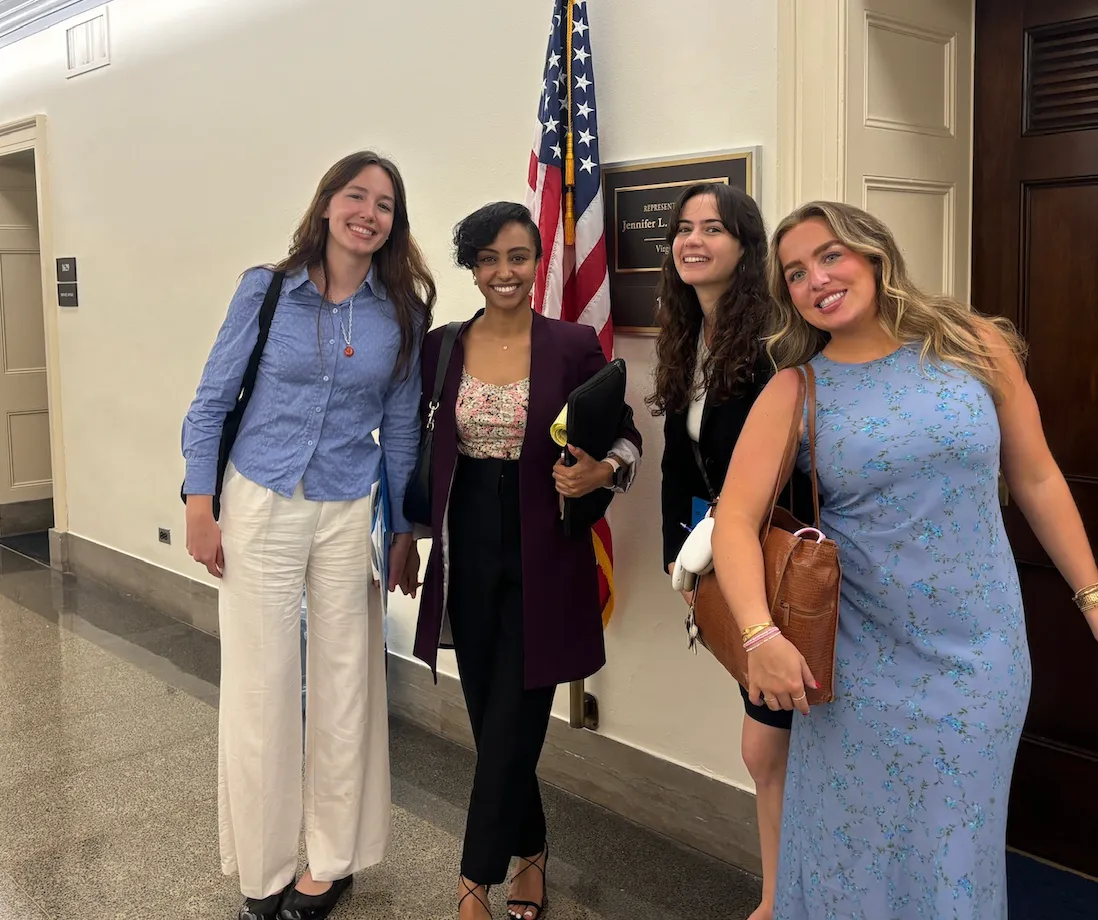

We can't address sex trafficking and sexual exploitation without confronting pornography. The screen between the sex acts and the viewer doesn't protect performers from industry violence, nor does it shield viewers and society from its effects.
As the digital sphere expands, an increasing number of minors are exposed to porn at young ages and come to view its depictions of sex, violence, and objectification as “normal.”
The SCREEN Act is vital as it would require pornography websites to use age verification technology to block minors from the platform.
Currently, there are no federal laws that allow victims to hold perpetrators of deepfake pornography accountable. This issue is urgent.
The DEFIANCE Act of 2025 (Disrupt Explicit Forged Images and Non-Consensual Edits Act) addresses the issue of non-consensual sexually explicit deepfakes.
This bill holds individuals accountable for creating, distributing, or soliciting such content. Victims of non-consensual deepfakes are granted a civil legal right of action against those who are responsible for the proliferation of these harmful and exploitative images. It is time to ensure victims of non-consensual deepfakes are granted the federal protections they deserve.
The Sunset Section 230 Act phases out Section 230 of the Communications Decency Act. Section 230, enacted in 1996, provides online platforms with immunity from liability for most user-generated content while allowing them to moderate content in good faith. It has been central to the development of the modern internet, but has faced growing criticism as large technology companies have gained influence over online discourse.
S.3546 is a response to concerns that Section 230 no longer reflects today’s internet, where algorithm-driven platforms curate and amplify content at a massive scale, often spreading misinformation, harmful content, and fueling sexual exploitation. It seeks to compel Congress to revisit and modernize the legal framework governing online platforms, reflecting the current digital environment.
The Sunset Section 230 Act is the solution to finally hold Big Tech accountable and protect children online, provide survivors the opportunity for justice, and prevent online exploitation that has gone unchecked for far too long.
On January 23, 2026, the Trafficking Survivors Relief Act was signed into law! Survivors of human trafficking are often criminalized for situations stemming from their trafficking experiences. Across the U.S., the majority of states have passed criminal record relief for convictions in the state criminal system.
Before the TSRA was signed into law, survivors with federal records had no pathway to clear these records. Now, for the first time, trafficking survivors can clear their federal criminal records. The TSRA also provides comprehensive relief for trafficking survivors, including legal remedies, financial compensation, and access to vital services. This act ensures that survivors are empowered to rebuild their lives and pursue justice without being further victimized by legal or systemic barriers.
For legal assistance with federal vacatur, please contact info@worldwithoutexploitation.org.
The Epstein Files Transparency Act was signed into law with bipartisan support on November 19, 2025. This legislation calls on the Attorney General to release all unclassified records involving Jeffrey Epstein, Ghislaine Maxwell, and others who have long been shielded by their power and privilege. This legislation puts survivors first by protecting their identities while ensuring that everyone who enabled, facilitated, or profited from exploitation is held accountable.
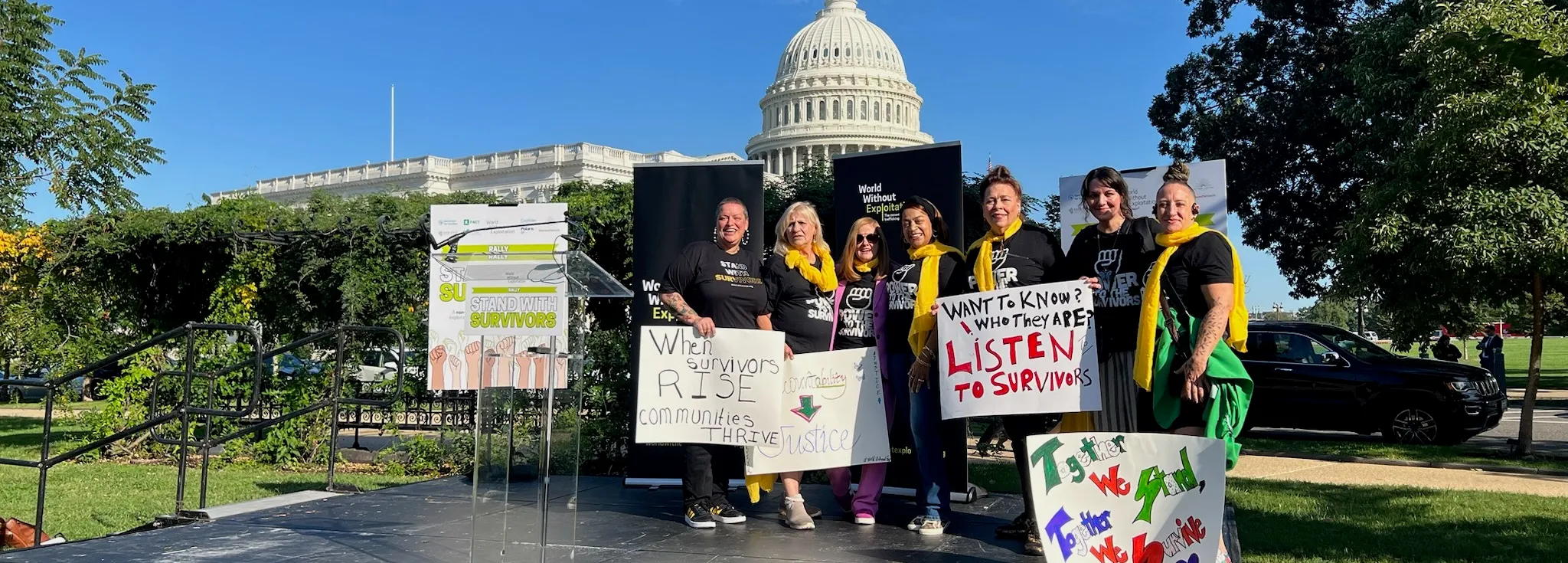
The TAKE IT Down Act was signed into law with bipartisan support on May 19, 2025, officially criminalizing the publication and distribution of image-based sexual abuse (IBSA) at the federal level! IBSA consists of the weaponization of sexually explicit or sexualized images or videos. Platforms are now required to remove non-consensual content within 48 hours of receiving notice from a survivor. This historic victory finally grants survivors the rights they deserve, ensures their protection online, and marks a significant step toward holding big tech accountable.
Victory! The Trafficking Survivors Relief Act is now law!
Survivors of human trafficking are often criminalized for situations stemming from their trafficking experiences. Across the U.S., the majority of states have passed criminal record relief for convictions in the state criminal system.
Before the TSRA was signed into law, survivors with federal records had no pathway to clear these records. Now, for the first time, trafficking survivors can clear their federal criminal records. The TSRA also provides comprehensive relief for trafficking survivors, including legal remedies, financial compensation, and access to vital services. This act ensures that survivors are empowered to rebuild their lives and pursue justice without being further victimized by legal or systemic barriers.
For legal assistance with federal vacatur, please contact info@worldwithoutexploitation.org.
Big tech continues to prioritize profit over our children’s well-being. The Kids Online Safety Act (KOSA) is the most comprehensive legislation to protect children online pending before Congress, aiming to shift Big Tech’s profit-driven models to children’s protection. KOSA creates a ‘duty of care’ that requires social media companies to place children’s needs at the center of their design. This ensures minors are not exposed to harmful or exploitative material online by requiring that their accounts default to the safest privacy settings, disable private messaging from strangers, and shield them from addictive algorithms. It is time to give our children the protection they deserve; it is time to pass KOSA!
Click here to view The WorldWE Youth Coalition’s campaign on the harms of social media.
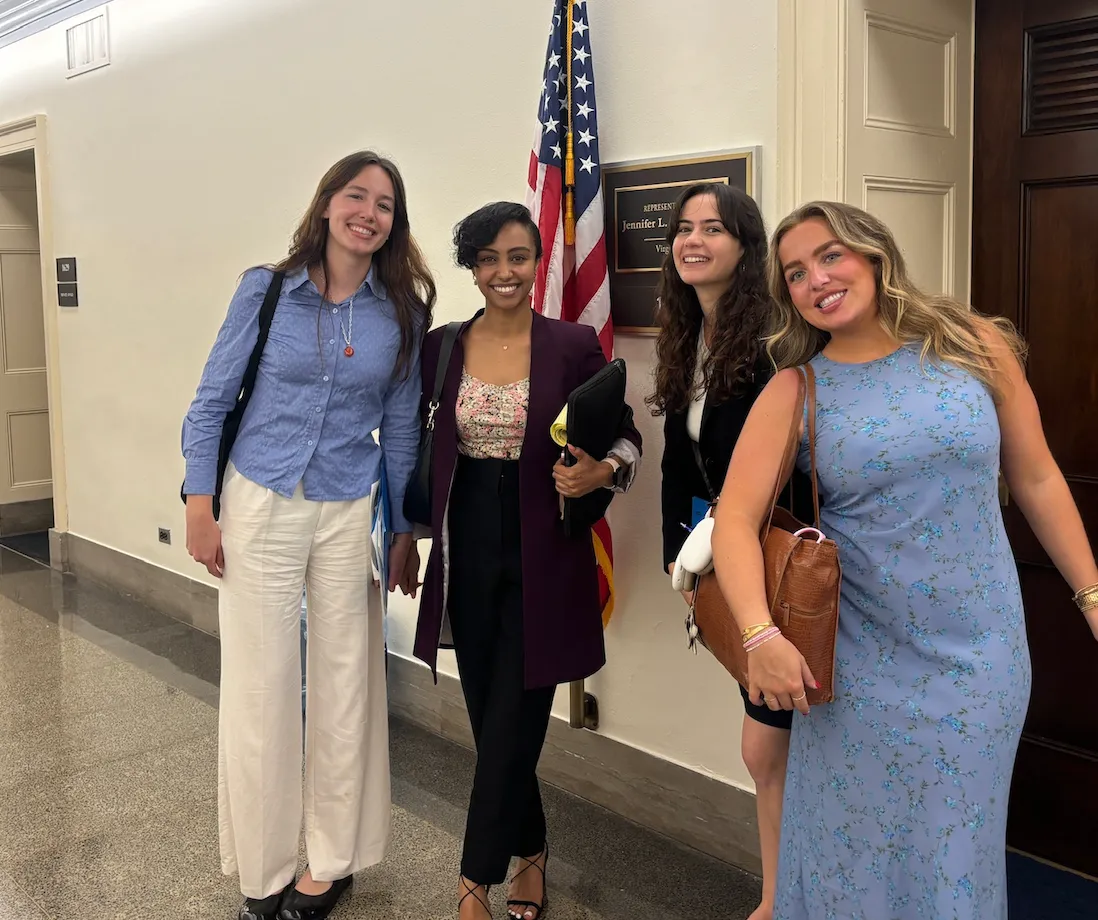
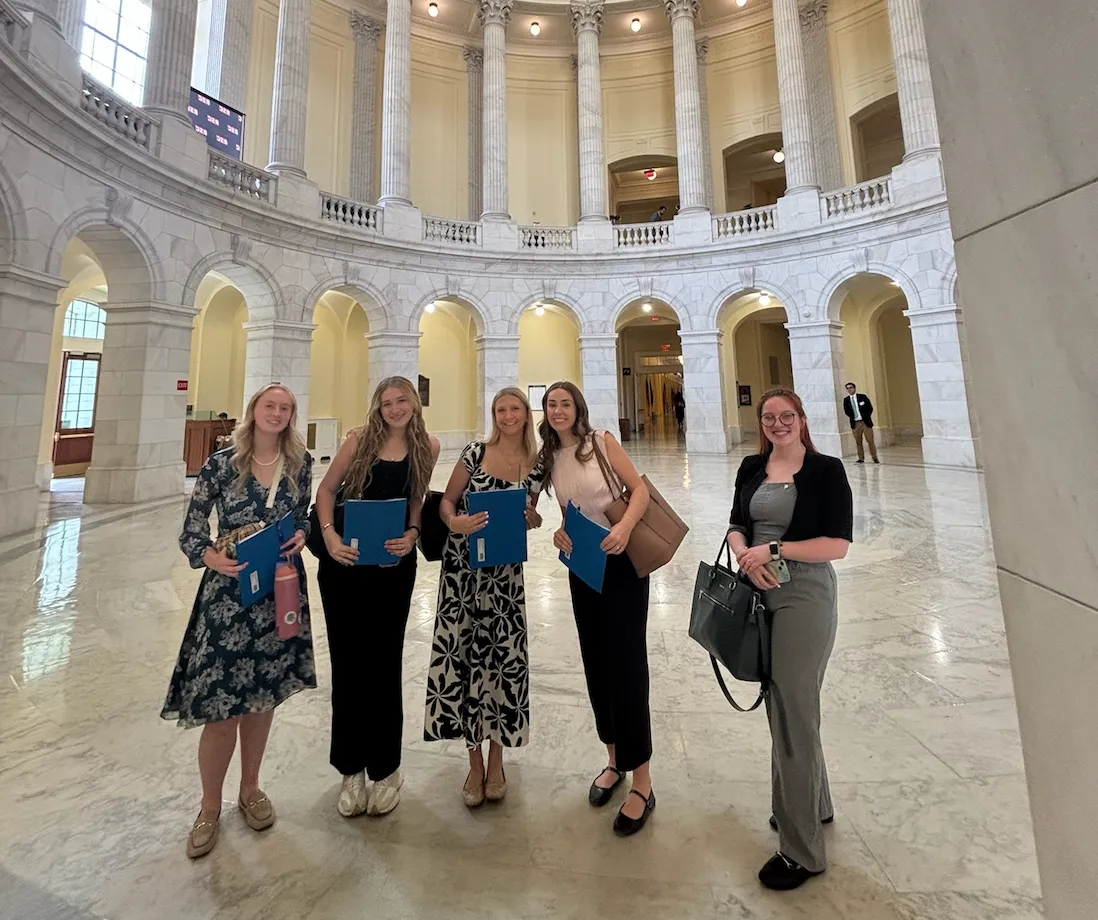
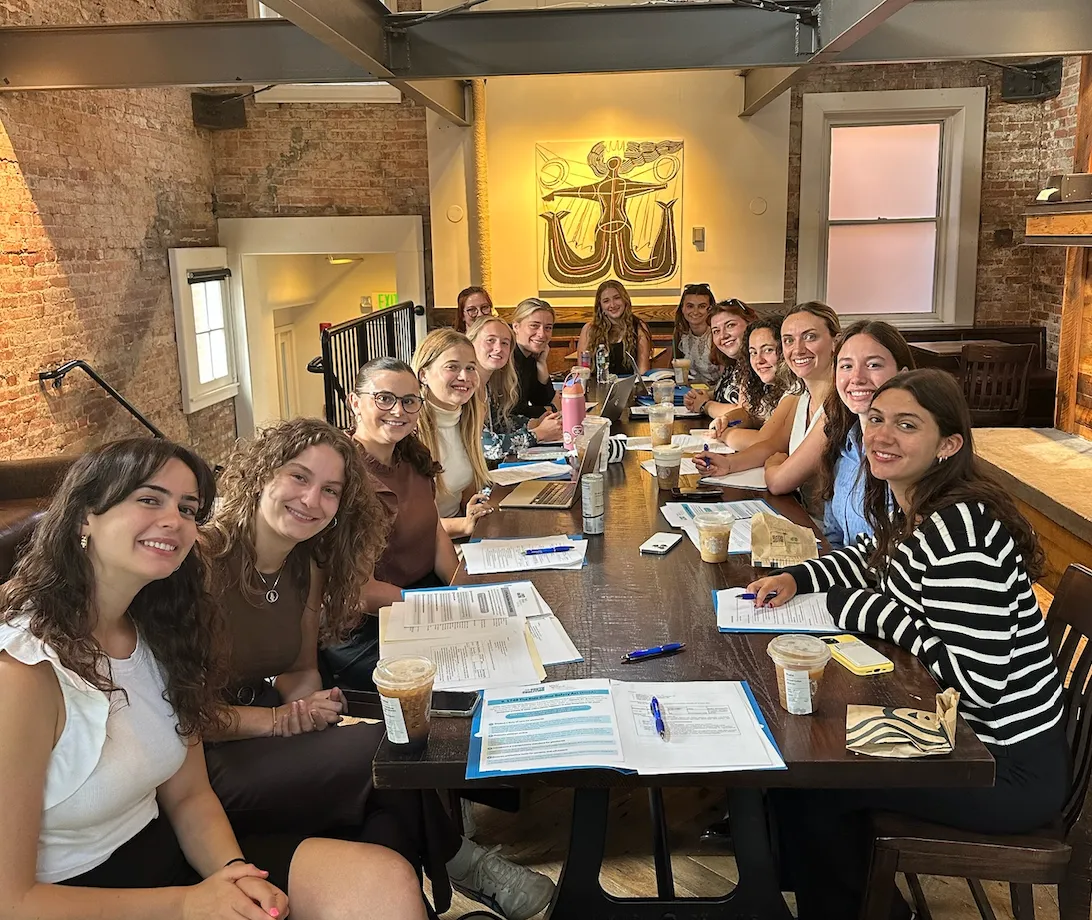
Victory! The Epstein Files Transparency Act is now law!
The Epstein Files Transparency Act calls on the Attorney General to release all unclassified records involving Jeffrey Epstein, Ghislaine Maxwell, and others who have long been shielded by their power and privilege. This legislation puts survivors first by protecting their identities while ensuring that everyone who enabled, facilitated, or profited from exploitation is held accountable.

The DEFIANCE Act of 2025 (Disrupt Explicit Forged Images and Non-Consenual Edits Act) addresses the issue of non-consenual sexually-explicit deepfakes. This bill holds individuals accountable for creating, distributing, or soliciting such content. Victims of non-consenual deepfakes are granted a civil legal right of action against those who are responsible for the proliferation of these harmful and exploitative images. It is time to ensure victims of non-consenual deepfakes are granted the federal protections they deserve.
Victory! The Take It Down Act is now law!
The TAKE IT Down Act was signed into law with bipartisan support on May 19, 2025, officially criminalizing the publication and distribution of image-based sexual abuse (IBSA) at the federal level! IBSA consists of the weaponization of sexually explicit or sexualized images or videos. Platforms are now required to remove non-consensual content within 48 hours of receiving notice from a survivor. This historic victory finally grants survivors the rights they deserve, ensures their protection online, and marks a significant step toward holding big tech accountable.
1 (888) 373-7888
Text HELP or INFO to 233733
English, Spanish, and 200 more languages


© World Without Exploitation
World Without Exploitation is a fiscally-sponsored project of the Tides Center, a 501(c)(3) nonprofit organization. Tides’ state-by-state fundraising disclosures are available at: www.tides.org/state-nonprofit-disclosures/
Survivor stories © The Voices and Faces Project Survivor photography: Lynn Savarese, Photographer and Co-Founder, New Abolitionists
Additional photography © Patricia Evans, The Voices and Faces Project • Natalie Naccache, Art Works for Change